Picking the right filtration equipment can honestly feel a bit overwhelming sometimes. But if you're looking at options, the Y Shape Filter really does stand out. Its unique design helps things flow better and boosts filtering performance. A lot of industries depend on Y Shape Filters because they’re tough, reliable, and get the job done.
When you’re choosing one, think about what you actually need. Different applications might call for different sizes or materials, and those details can really impact how well everything runs. Knowing what to look for is pretty important, so don’t shy away from doing a bit of research.
Honestly, a lot of folks get confused about the differences between filter types. You might have to try a few before finding what works best. But once you get a good Y Shape Filter, it can really make your system run smoother and more efficiently. It’s not just about filtering — it’s about making your overall process better and more streamlined.
Understanding Y Shape Filters: Definition and Purpose
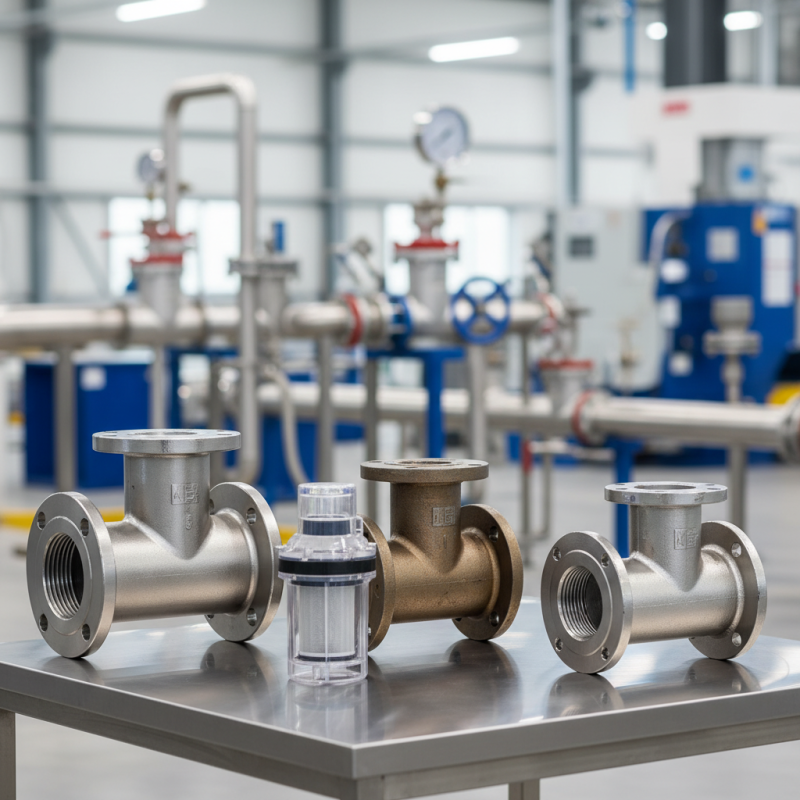
Y shape filters play a crucial role in various industries. They are designed to split and direct fluid flow in systems. Understanding their purpose begins with recognizing how they work. A Y shape filter typically consists of a filter element housed within a Y-shaped body. This design allows for efficient separation of impurities from liquids or gases.
In industrial applications, Y shape filters can significantly enhance performance. According to a report by the International Journal of Engineering Research, using these filters can improve system efficiency by up to 25%. In water treatment facilities, they help remove contaminants, ensuring clean water delivery. Their design minimizes pressure loss, which is vital for maintaining optimal flow rates. However, some challenges arise from sediment accumulation. Regular maintenance is necessary to ensure filter longevity and effectiveness.
Expert insights reveal that selecting the right Y shape filter requires careful consideration of material and size. The report emphasizes that mismatched filters can lead to operational inefficiencies. It's important to evaluate the specific needs of your system. A poorly chosen filter may result in more frequent replacements, increasing costs. Balancing efficiency with maintenance concerns can be a complex decision that requires thorough analysis and reflection.
Y Shape Filter Selection Criteria
This bar chart illustrates the importance ratings of various criteria when selecting a Y Shape filter. Criteria such as Material Quality and Filtration Efficiency are rated higher, indicating their significance in making the right choice for filter applications.
Key Applications of Y Shape Filters in Various Industries
Y shape filters play a crucial role in various industries, enhancing the efficiency of fluid systems. In the water treatment sector, for example, these filters are used to remove impurities from drinking water. According to a recent report by the World Health Organization, effective filtration can reduce contaminants by up to 99%, improving public health outcomes.
In the oil and gas industry, Y shape filters are essential in upstream operations. They help in separating solids from fluids, maintaining equipment integrity. A study by the American Petroleum Institute highlights that proper filtration can extend the lifecycle of machinery, cutting maintenance costs by an estimated 30%. This translates to significant savings for companies operating in high-stakes environments.
Food and beverage manufacturing also relies on Y shape filters to ensure product quality. They are utilized in processes such as brewing and bottling. Research indicates that industries employing robust filtration processes have seen customer satisfaction rates rise by 20%. However, not all filters perform equally, and choosing the right one requires careful consideration of specific filtration needs.
How to Choose the Best Y Shape Filter for Your Needs? - Key Applications of Y Shape Filters in Various Industries
| Industry | Key Application | Filter Size (inches) | Material | Operating Temperature (°C) | Pressure Rating (psi) |
| Oil & Gas | Pipeline Filtration | 2 | Stainless Steel | -40 to 150 | 3000 |
| Water Treatment | Sediment Removal | 4 | PVC | 0 to 60 | 150 |
| Chemical Processing | Chemical Filtration | 3 | Carbon Steel | -20 to 120 | 2000 |
| Food & Beverage | Purification | 5 | 316L Stainless Steel | -10 to 100 | 500 |
| Pharmaceuticals | Sterilization | 2.5 | Hastelloy | -50 to 130 | 2500 |
Factors to Consider When Choosing a Y Shape Filter
When selecting a Y shape filter, consider its size and the specific application. Filter dimensions affect its efficiency. A filter too small may clog quickly, while one that's too large can be wasteful. Think about the flow rate of your system; it must match the filter’s capacity.
Material is another crucial factor. Choosing the right material ensures durability. Stainless steel is often preferred for its corrosion resistance. Plastic filters are lighter but may not withstand high pressures. Evaluate the environment where the filter will operate.
Tips: Always check the maximum pressure rating. It’s easy to overlook this detail. A mismatched rating can lead to failures. Take time to read user reviews. They offer insights into performance and longevity. Don't hesitate to consult experts for tailored recommendations. Their experience can guide you in making a more informed decision.
Material Selection for Optimal Durability and Performance
Selecting the right Y shape filter significantly impacts both durability and performance. The material you choose plays a crucial role. Stainless steel is popular due to its corrosion resistance. It can withstand various chemical environments. Research indicates that stainless steel filters last up to five years longer than plastic alternatives. However, plastic may be preferred for lightweight applications.
Another option is carbon fiber, known for its strength-to-weight ratio. Carbon fiber filters can endure extreme temperatures while remaining lightweight. Industry reports show that when properly maintained, these filters can achieve performance efficiency exceeding 95%. Yet, they come with a higher upfront cost.
It's also vital to consider the environment in which these filters operate. Each material can exhibit varying rates of wear and degradation. High humidity can affect plastic and lead to lower filter effectiveness. Regular maintenance can extend the life of any filter, but is often overlooked. This highlights the need for a thoughtful approach to material selection.
Balancing life cycle costs with performance is key. Ultimately, the best choice relies on specific applications and environmental factors.
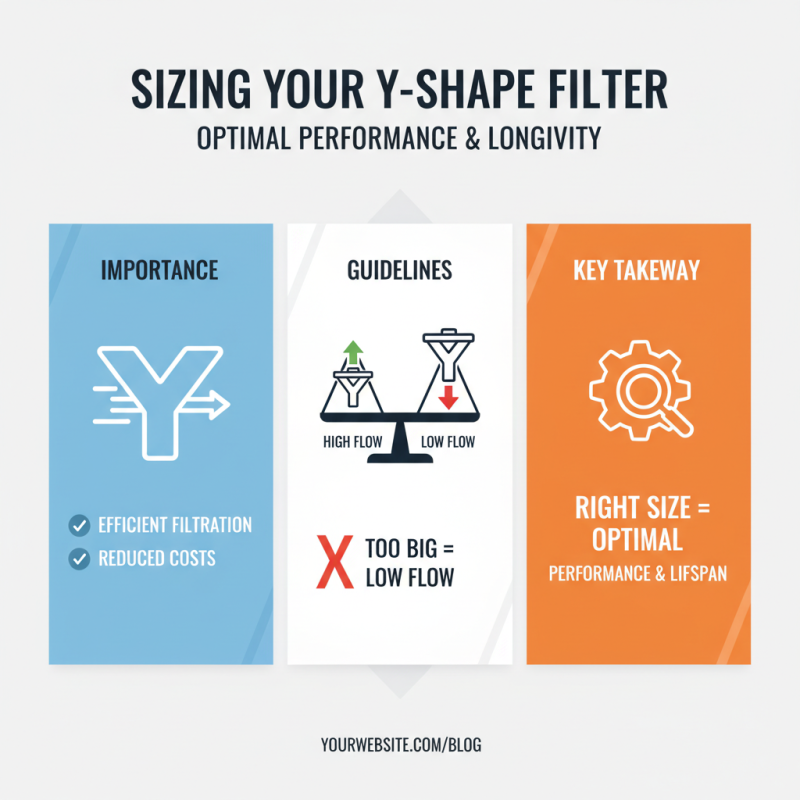
Sizing Your Y Shape Filter: Importance and Guidelines
Sizing your Y shape filter is crucial for its effectiveness. Selecting the right size ensures optimal performance and longevity. An incorrectly sized filter can lead to inefficient filtration and increased costs. It might seem easier to choose a larger filter, but this can result in low flow rates.
When determining the appropriate size, consider your system's flow rate and pressure. Understanding these criteria will help you choose a filter that fits perfectly. A filter that is too small may clog quickly, while one that is too large might not provide the needed filtration speed.
Consulting with experts can provide valuable insights. They can help you analyze the specific requirements of your system. Even minor mistakes in sizing can lead to significant issues down the road, such as reduced efficiency. Regular assessments of your system can identify changes in flow rates, allowing for adjustments in filter size as necessary.
Maintenance Tips for Extending the Life of Your Y Shape Filter
Maintaining your Y shape filter is crucial for its longevity and efficiency. Regular cleaning is essential. Debris can accumulate over time, leading to clogs. Inspect the filter every month. Remove any buildup, especially around the inlet and outlet areas. Use a brush or compressed air for thorough cleaning.
Another important aspect of maintenance is monitoring the filter's performance. Pay attention to changes in flow rate or pressure. These variations can indicate a need for replacement. Regularly check seals and connections too. A loose or damaged seal can compromise the filter's function.
Consider the environment where the filter operates. Harsh conditions may shorten its lifespan. Extreme temperatures or exposure to chemicals can cause wear. If your filter is subjected to such conditions, reassess its placement. This proactive approach can save you time and resources in the long run. Regular maintenance pays off, ensuring your filter performs as intended.
Comparing Different Brands and Models of Y Shape Filters
When selecting a Y shape filter, it's essential to consider various brands and models. Each offers unique features that can significantly impact performance. Research shows that filters designed with high-quality materials ensure longer lifespan and better filtration efficiency. A recent industry report has found that filters with stainless steel bodies tend to outperform plastic counterparts, providing better resistance to corrosion.
Different models come with varying filtration capacities. Some Y shape filters can handle higher flow rates, making them suitable for industrial use. Others are tailored for residential settings, focusing on ease of maintenance. According to filtration experts, choosing the right filter should also include assessing your specific requirements. Data suggests that improper selection can lead to decreased efficiency, impacting overall system performance.
It's essential to analyze user reviews and reliability ratings. Some filters may excel in initial performance but fail over time. Research indicates that consumers frequently report issues with certain brands after short usage periods. Being vigilant about such feedback can save both time and resources in the long run. Users should weigh both positive and negative experiences for a well-rounded decision.
FAQS
: Y shape filters are designed to split and direct fluid flow in various systems.
They can improve system efficiency by up to 25% and help in contaminant removal.
Sediment accumulation can occur, requiring regular maintenance for longevity and effectiveness.
Material affects both durability and performance, impacting the filter's lifespan and operational efficiency.
Stainless steel is popular for its ability to withstand various chemical environments.
Carbon fiber has a strong strength-to-weight ratio and can endure extreme temperatures.
Regular maintenance is crucial but frequently neglected, impacting filter performance and longevity.
High humidity can lower the effectiveness of plastic filters, impacting their durability.
It may lead to operational inefficiencies and increased replacement costs.
A thorough analysis is needed to ensure the right filter meets specific system needs.
Conclusion
When selecting the best Y Shape Filter for your needs, it's essential to first understand its definition and purpose, which is primarily to facilitate the smooth flow of fluids while filtering out contaminants. Y Shape Filters find key applications across various industries, including water treatment, oil and gas, and manufacturing, making them versatile components in fluid handling systems.
Several factors should guide your choice of a Y Shape Filter. These include the material selection, which impacts durability and performance, and the sizing of the filter to ensure compatibility with your system. Proper maintenance practices further extend the life of your Y Shape Filter, ensuring efficient operation over time. By comparing different brands and models based on these considerations, you can make an informed decision that meets your specific requirements.