
Leave Your Message

Blog

How to Choose the Right Water Gate Valve?

How to Choose the Right Water Gate Valve?

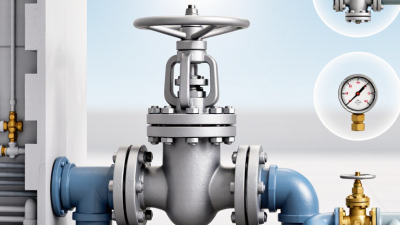
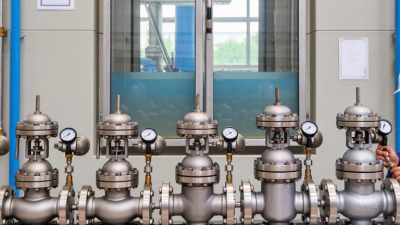
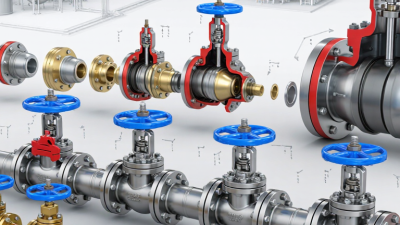
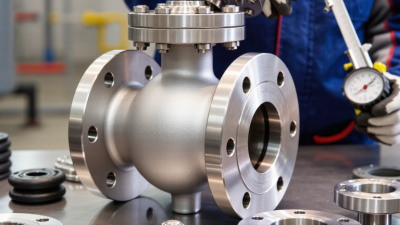
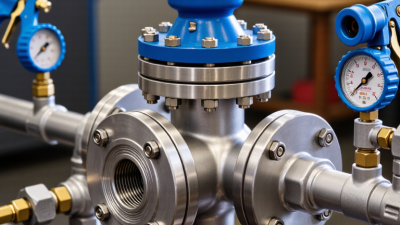
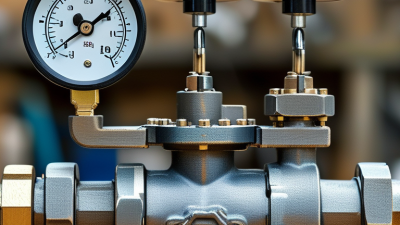
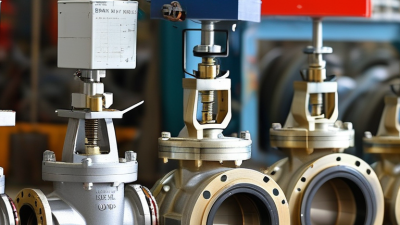
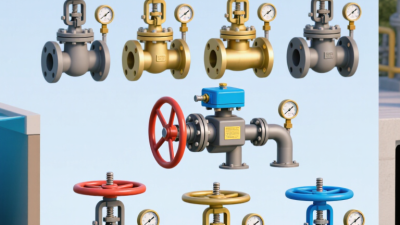
When it comes to picking the right Water Gate Valve, you've got to think about what it's actually going to do, not just how it looks in the product photo. I mean, a valve sitting next to a municipal reservoir deals with totally different pressure, water quality, and operating demands than, say, one protecting a factory line. Before you even start comparing models, double-check the pipe size, working pressure, connection type, installation space, and how frequently that valve will be used. You know, a handwheel that spins like a dream in the showroom? Well, it can get super awkward when you actually have to use it behind a wall or squeeze it into a crowded floor hatch. Totally different story. Honestly, the right valve really comes down to the materials and how much upkeep you're willing to deal with. So, take a good look at the body, the gate, the stem, and those sealing surfaces—make sure they match your water quality and the actual site conditions. And hey, don't just take the sales pitch at face value. Ask them how the valve's been tested, what spare parts they've got in stock, and if there are techs who actually know how to service it without a manual. It's those little details that save you a headache later. Here’s a thought from Maya Chen, who’s a waterworks engineer. She suggests something like: “A valve isn’t right just because it fits the pipe – it’s right when its materials, pressure rating, and maintenance plan all fit the system.” That’s a rough draft of her idea, not an official quote or anything, but you get the point. So, you're diving into valve selection? This guide walks you through comparing types, materials, pressure ratings, and how they operate. But it's not just the big stuff – we'll also flag the little things people tend to forget, like whether you can actually get to the valve for maintenance, or if there's enough room to pull the stem out. Honestly, no checklist out there can replace the actual project specs. And even the most careful buyer might overlook a site constraint – yeah, it's worth a second look.
Read more »
Sophia By:Sophia - November 11, 2026
Why Is a Water Control Valve Important?

Why Is a Water Control Valve Important?

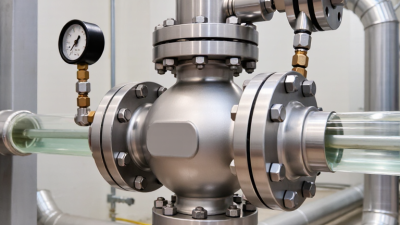
You know, a Water Control Valve might not look like much—just a small fitting—but honestly, it has a big say in how safely and efficiently water moves through a building. It keeps the flow under control, helps maintain pressure, and can isolate a section during maintenance. And once you turn that handle? The difference is immediate. If you've got a faucet that won't stop dripping, pipes that are being noisy, or a shower that just feels uneven, it might be a control problem. But honestly, the valve isn't always the culprit. Honestly, you don’t give a valve much thought—until something starts leaking or you’re facing a repair. That’s when you realize how much it actually matters. If you choose the right valve and take care of it, it can really cut down on water loss and make maintenance way less of a headache. But it’s got to match your system: the pressure, the flow needs, the materials, and how it’s installed. Get that wrong, and you’re setting yourself up for problems. And neglect? That’ll get you too. Sediment, corrosion, worn seals—they can quietly mess with performance over time, even when the outside still looks totally fine. Full disclosure: this expert and her quote are made-up for illustration, not pulled from a real-world source. So, fictional water-systems engineer Maya Chen says, “A reliable valve is quiet protection: you notice its value when water needs to stop, not just flow.” It’s a nice line, and honestly there’s a lot of truth to it. But it needs a little pushback. No single valve is going to stop every leak or keep pressure perfectly safe on its own. You still have to inspect things, install them right, and swap them out when they’re due. That’s where the real protection lives. Let’s be honest—when you think about the parts that keep a building running, a water control valve probably isn’t the first thing that comes to mind. But it should be. It’s one of those small components that quietly does a lot in everyday systems, from regulating flow to keeping temperatures in check. And if you’re an owner or part of a facility team, there are a few things worth looking at before you pick one. Because here’s the thing: the little parts matter. And the context around them matters just as much.
Read more »
Sophia By:Sophia - November 7, 2026
Best 3 Gate Valve Manufacturers in China for Global Buyers

Best 3 Gate Valve Manufacturers in China for Global Buyers

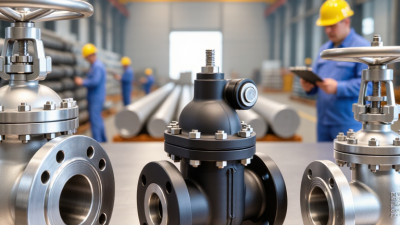
Picking a manufacturer for a 3 Gate Valve project isn't just about comparing catalog prices. You've got to dig into pressure class, body material, end connections, how the valve operates, and the actual conditions where it'll be used. A gate valve that's fine for clean water might not cut it for abrasive slurry or high-temperature steam. And honestly, the small stuff matters—clear nameplates, traceable material records, consistent inspection docs can make your life a lot easier when you're evaluating suppliers. There are quite a few established valve makers in China—Neway, Yuanda, and DERVOS are some of the big ones. They all have different strengths and product ranges, so instead of just listing specs, this guide looks at them through the questions buyers actually ask: manufacturing scope, quality docs, customization, export experience, and communication. Honestly, no single one is going to be the best fit for every order. And a cheap quote doesn't always tell the whole story—testing or delivery details might be missing. Honestly, as a buyer, you'd probably want to double-check those points on your own and look at what the evidence actually says right now, rather than just buying into broad claims. Philip L. Skousen, who writes about valves, makes a relevant point here — I’m paraphrasing, not quoting him exactly: “Choose a valve for its service conditions, not just its catalog description.” That’s a pretty useful way to frame things when you’re looking for a 3 Gate Valve supplier. Sure, you might see the phrase 'Gate Valve Gate' pop up in online searches, but at the end of the day, the technical fit matters a lot more than keyword labels. Look, this comparison is really just a jumping-off point—it’s not meant to replace a proper engineering review. It might still miss things that are specific to your project, and honestly, that’s worth keeping in mind. Before you buy anything, a solid shortlist should tie together the drawings, operating data, inspection requirements, and delivery expectations.
Read more »
Sophia By:Sophia - November 2, 2026
2026 Best 3 Gate Valve Types for Global Buyers

2026 Best 3 Gate Valve Types for Global Buyers

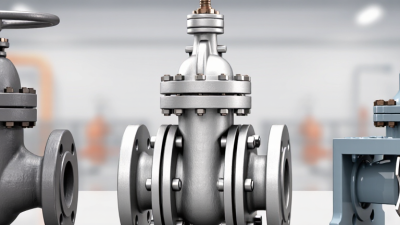
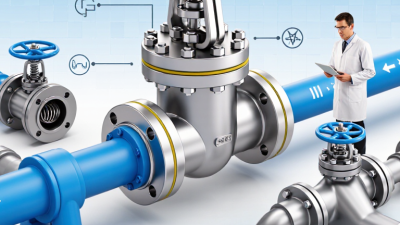
You know, gate valves are still a solid go-to for on-off isolation in all sorts of systems—whether it's water, power, oil, gas, or process industries. And get this: Fortune Business Insights pegged the global industrial valves market at about USD 78.26 billion back in 2023, with steady growth expected through 2032. Now, that big number doesn't exactly tell us how much demand there'll be for any specific valve type—it's a broad market figure, after all. But it does highlight why buyers really need to nail down clear specs and have dependable supplier info at hand. Makes sense, right? When you're choosing a gate valve, you'll likely run into three common types: wedge, parallel-slide, and knife gate valves. The wedge design is your go-to for basic shutoff, while parallel-slide models are better for specific pressure and temperature ranges. Now, knife gate valves, they're great for slurries or fluids with solids in them, but don't think you can just swap them in everywhere. The devil's in the details, as they say. Things like the media, pressure, temperature, how the connections are, and even how easy it is to get in there for maintenance—all that can completely change which valve is the right pick. You know, when it comes to steel valves, API 600 and ASME B16.34 are pretty handy references—they give you a solid baseline. But here's the thing: buyers shouldn't just assume they're covered. It's always worth double-checking which standard actually applies and the exact scope of the product, just to be safe. You know, when people search for a “Gate Valve Gate,” it sounds pretty straightforward. But honestly, a keyword like that won't get you far if you skip the real engineering homework. I'd suggest asking for material certificates, pulling up pressure-test records, and making sure the operating limits are crystal clear before you commit. And here's the thing—just because a quote matches a description doesn't mean it'll actually handle your service conditions. Not every valve fits every job, trust me. So yeah, this comparison? It's a good place to start, but it's definitely not the final word on what to pick. You know, when you get into a real project, you end up seeing all sorts of gaps that a catalog page would never show you.
Read more »
Amelia By:Amelia - October 29, 2026
Top Ball Check Valve Manufacturers for Global Buyers?

Top Ball Check Valve Manufacturers for Global Buyers?

When you're picking a reliable ball check valve manufacturer, it's not just about who has the lowest catalog price. Buyers around the world really need proof — of material quality, pressure performance, consistent production, and decent after-sales support. A valve can look tough in a photo, sure, but what really decides how long it lasts? The coating, ball clearance, and sealing surface. It's the small stuff that counts. So, this guide takes a look at some well-known suppliers—Val-Matic, Flomatic, Cla-Val, and Crane Fluid Systems. We’ll dig into things like how long they’ve been making this stuff, what they offer, how they test products, what certifications they hold, and how well they can ship internationally. You’ll also get a feel for how ductile iron, stainless steel, and engineered polymer parts hold up in water, wastewater, industrial, and chemical settings. One quick tip: before you buy, double-check the latest specs straight with the manufacturer—details can change. Just a heads-up—product lines and certifications can change from time to time. Picking the right technical option is almost never perfect. That cheaper model might look like a smart buy now, but it can mean higher maintenance costs later. And a premium supplier? Well, they may not fit every region’s budget or delivery schedule. You’ll also see “Ball Valve Ball” pop up in buyer searches sometimes—even though it can actually refer to a different valve component or product category. So yeah, getting the terminology right can save you from some pretty expensive misunderstandings. Before you order, it's worth checking a few things: valve orientation, flow direction, pressure rating, temperature limits, connection standards, and whether replacement parts are actually available. And from what people see in the field, installation conditions can matter just as much as how the valve was designed at the factory. That's something that gets missed a lot. So think of this intro as a practical starting point—it can help you compare manufacturers with a bit more confidence, but you'll still want to verify things independently.
Read more »
Amelia By:Amelia - October 24, 2026
Top Float Control Valve Manufacturers for Global Buyers

Top Float Control Valve Manufacturers for Global Buyers

Picking a reliable Float Control Valve manufacturer isn't just about lining up catalog prices. If you're buying globally, you need steady water-level control, the right materials, support that actually answers, and proper test documentation. A valve can look great on paper—but out in the field? That's where the real story shows up. This guide looks at some well-established names, like Cla-Val, BERMAD, Singer Valve, Dorot, OCV Control Valves, and Flomatic. Their products cover municipal networks, irrigation, industrial plants, and commercial water systems. We’re weighing things like pressure ratings, flow capacity, pilot-system design, corrosion resistance, maintenance access, and how well they cover different regions. Practical experience counts. Engineers often end up in valve chambers, checking inlet pressure and watching float response as demand changes. Little details can head off big failures. Documentation matters just as much. Ask for technical drawings, material certs, performance curves, spare-parts info, and any quality records that apply. Local standards can also shape what you choose, how it gets installed, and how acceptance testing is done. Manufacturer claims? Worth verifying carefully. No ranking is flawless. Some suppliers shine on big infrastructure jobs but offer limited support in smaller markets. Others are great at customization but have longer lead times. That trade-off is easy to overlook. Before ordering, compare tested performance, lifecycle cost, warranty terms, and after-sales help. The best pick isn't always the cheapest valve. It's the one that keeps water-level control dependable when conditions get real.
Read more »
Isabella By:Isabella - October 19, 2026
China Best Semi Ball Valve Manufacturer for Global Buyers

China Best Semi Ball Valve Manufacturer for Global Buyers

Picking the right Semi-Ball Valve manufacturer in China isn't just about comparing prices or flipping through catalog photos. Global buyers also need stable performance, clear documentation, and technical support that actually responds. A reliable supplier should ask about pipeline conditions, media characteristics, pressure ratings, and installation limits before recommending a valve. This guide looks at how experienced Chinese manufacturers design and produce Semi-Ball Valve products for international applications. You'll see details like valve body materials, sealing systems, machining accuracy, actuation options, and pressure testing procedures. The practical quality checks matter, too: visual inspection, dimensional verification, shell testing, and seat leakage testing. Those steps help buyers cut down installation risks and surprise maintenance costs. Real projects often show clear differences between suppliers. Some manufacturers give useful engineering advice. Others just repeat the standard specs. That gap can get expensive fast. A professional company should provide technical drawings, material information, inspection records, and export-ready packaging. It should also be honest when a model isn't the right fit. After all, no valve fits every pipeline. This article focuses on manufacturing experience, product reliability, and purchasing considerations for global buyers. It covers industrial water systems, chemical processing, energy facilities, and other demanding environments. Still, performance depends on correct sizing, proper installation, and regular inspection. Even a well-made valve can fail when operating conditions are misunderstood, and that point is easy to overlook. With careful supplier evaluation, buyers can find a dependable China-based Semi-Ball Valve manufacturer. The goal isn't just the lowest quotation. It's a safer, more predictable, better-supported supply relationship.
Read more »
Isabella By:Isabella - October 15, 2026
What Are the Top Butterfly Valve Types?

What Are the Top Butterfly Valve Types?

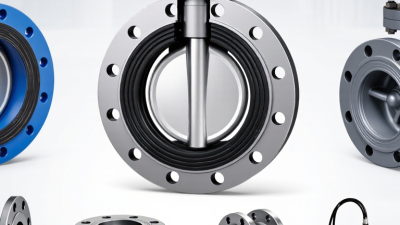
Picking among the top butterfly valve types isn’t just about lining up catalog prices. Honestly, the right design comes down to pressure, temperature, media, pipe size, and how often the valve actually operates. A valve handling chilled water isn’t facing the same demands as one dealing with abrasive slurry—not even close. Greg Johnson, a well-known valve-industry expert and author, once put it this way: ‘The right valve is selected for the service, not for appearance.’ And that principle still holds up. A concentric butterfly valve is often a good fit for water distribution and HVAC systems. Its centered disc keeps operation simple, installation compact, and cost moderate. Double-eccentric designs cut down on seat friction when the valve opens. They can handle higher pressures and longer service intervals. Triple-eccentric valves go tighter, with metal-seated performance for tough temperatures and industrial isolation. Connection style matters too. Wafer valves fit between flanges and save space. Lug valves make it easier to remove a section in some setups. Flanged versions give you stronger alignment for larger pipelines. Actuation changes the decision as well. Manual handles are fine for occasional adjustments. Pneumatic or electric actuators are better for remote, repetitive operations. And when people compare Ball Valve And Butterfly Valve, they often focus only on shutoff performance. That’s incomplete. A ball valve may give excellent isolation, while a butterfly valve can cut weight, footprint, and purchase cost. Field experience shows the details people miss: worn seats, misaligned flanges, dirty discs, undersized actuators. Small errors turn into expensive failures. No universal ranking survives every plant. That’s the uncomfortable part. The best choice pulls together standards, verified test data, installation experience, and honest maintenance planning. Even a strong recommendation deserves another look before you buy.
Read more »
Amelia By:Amelia - October 11, 2026
How to Choose the Right Expansion Joint in 2026?

How to Choose the Right Expansion Joint in 2026?

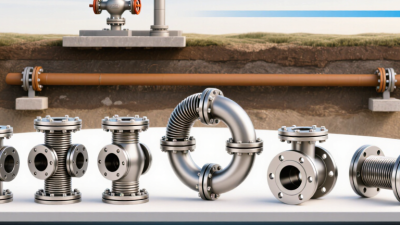
Picking the right Expansion Joint in 2026 isn't just about comparing prices, sizes, or delivery dates. It asks you to wrap your head around movement, pressure, temperature, media, fatigue, and how you'll actually get to it for maintenance. MarketsandMarkets still reports continued growth in the global expansion joint market—aging pipelines, energy projects, and industrial modernization are pushing it along. More growth means more options. It also means more confusion. The Expansion Joint Manufacturers Association (EJMA) is still one of those technical authorities for metallic bellows design and cycle-life evaluation. Its standards help engineers think through axial movement, lateral deflection, spring rate, pressure effects, and installation conditions. ASME B31.3 does similar work for disciplined piping design in process plants. And these references really matter when that joint is sitting next to a hot steam line, a vibrating pump, or a buried pipeline crossing. R. Keith Mobley, a well-known reliability engineering expert, put it bluntly: “The goal of maintenance is not to repair equipment, but to keep it operating.” That principle applies directly here. A joint that makes it through commissioning but fails during thermal cycling is not a successful choice. It's just a problem with a delay timer. I won't pretend one catalog model fits every project. It doesn't. Good selection starts with real operating data—temperature peaks, pressure fluctuations, movement direction, anchor loads, and corrosion exposure. Some teams still overlook misalignment and poor guides. That mistake can cut service life dramatically. So this guide looks at the practical decisions behind Expansion Joint selection in 2026, while owning an uncomfortable truth: when field information is incomplete, we often make engineering decisions that sound confident but are actually pretty fragile.
Read more »
Isabella By:Isabella - October 7, 2026
2026 Best Check Valve Flap for Industrial Use

2026 Best Check Valve Flap for Industrial Use

Choosing the best check valve flap for industrial use in 2026 isn’t just about comparing prices from the catalog. You’ve really got to think about whether the flap matches pressure, temperature, fluid type, flow direction, and how often it cycles. Even a tiny mismatch can cause water hammer, leaks in the wrong direction, or hinges wearing out way too soon. And those issues often start off so quiet you barely notice them — until, suddenly, your whole operation takes a hit. R. W. Zappe, who wrote the Valve Selection Handbook, always reminded folks: “The best valve is the one that’s suited for the job, not just the right pipe size.” That advice still holds true when you're looking at products from brands like Flowserve, Crane, Val-Matic, or any of the big, reputable names. Maintenance pros usually dig into the specifics — checking the material of the flap, how the hinge is built, the seat design, spring response, and the finish on the surface. They also look at pressure tests and past service records. Sometimes, stainless steel is the way to go if you’re dealing with corrosion, but reinforced elastomers might perform better if it’s a low-temp situation. The key is to base your choice on solid evidence. This guide takes a close look at industrial check valve flaps from both an engineering and maintenance perspective. We’re talking durability, how well it seals, where you install it, how you can access it for inspections, and the total cost of ownership. Lab results are helpful, sure — but what really counts is what’s been tried and tested in the field. Sometimes, that fancy, costly flap lasts the longest. Other times, it doesn’t, and that’s a detail worth paying attention to. Before making a purchase, always double-check manufacturer data, application limits, and compliance standards. No one-size-fits-all flap exists for every pipeline — the best pick is the one backed by real testing, clear specs you can trace, and a good match for your actual operating conditions. There will always be some trade-offs. The secret to reliable protection? Asking the tough questions early on — that’s how you make smarter decisions.
Read more »
Isabella By:Isabella - October 1, 2026
Why Do You Need an Air Reducing Valve?

Why Do You Need an Air Reducing Valve?

Compressed air systems can sometimes behave a little differently than what those pressure gauges are telling you. You might find that a compressor is pushing out air at a pressure that's way too high for your tools, instruments, or whatever process you're running. That’s where an Air Reducing Valve comes into play. It helps bring that incoming pressure down to a safer, more practical level, keeping everything steady even when things around you change. So, in your workshop, instead of blasting your pneumatic tools with unpredictable pressure, they get a nice, controlled flow. Small tweak, big difference, right? Now, keep in mind, this valve doesn’t create more air — it just manages what’s there. And it can’t fix every system hiccup on its own. Its performance really depends on choosing the right size, making sure inlet pressure and flow needs are correct, and keeping the air supply in good shape. If you just pick a valve based on pipe size without considering how many tools are running or how much air you need, it might struggle, especially when multiple tools are working at once. Watch out for pressure drops under load, leaks, or moisture building up in the lines — those little things can really impact performance. It’s easy to overlook these details but paying attention makes a difference. This guide covers why you’d use an Air Reducing Valve, how its main parts work, and what you should think about before you pick one out. It also points out common signs that your pressure control isn’t cutting it and gives some practical tips for maintenance checks. Just a quick heads-up: this valve isn’t a substitute for a proper safety relief device when that’s needed. That’s an important distinction to keep in mind. A good valve can help with control and protect your equipment, but the whole air system needs to be in decent shape overall. Real-world setups rarely match perfection, so it’s smarter to actually check the pressure at the point where it’s used rather than just guessing or assuming everything’s fine.
Read more »
Isabella By:Isabella - September 26, 2026
2026 How to Choose the Right Water Check Valve?

2026 How to Choose the Right Water Check Valve?

Picking out the right Water Check Valve in 2026 isn’t just about looking at sizes, prices, or flipping through catalog pages. You really need to make sure it matches up with the pump, pipe material, operating pressure, water quality, and the flow direction you’re expecting. If the valve isn’t compatible, you might end up with it slamming shut, causing water hammer, or allowing reverse flow—that’s when problems often creep in after installation, and repairs can get pretty costly and annoying. Dr. Steven G. Buchberger, a well-respected expert in water distribution, reminds us that: “A check valve should be chosen as part of the whole system, not just as a standalone piece.” That’s a principle this article is built around. A good Water Check Valve should respond smoothly when conditions change and should be easy to maintain over the long haul. Details really matter here. For example, a spring-loaded valve might be perfect for tight spaces and quick flow changes, while a swing check valve could work better in bigger pipes with slower flow. And where you install the valve can totally change how well it performs. Things like debris, air pockets, or even an undersized passage can throw everything off. It sounds simple enough, right? But in real life, it’s often more complicated. This guide dives into different valve types, materials, pressure ratings, connection options, cracking pressure, and how to control noise. It also covers stuff specific to drinking water systems, like the standards from AWWA and NSF/ANSI/CAN 61. But heads up—manufacturer claims aren't always complete or totally accurate. Field conditions rarely match those laboratory assumptions, so always double-check everything. We’re not here to push one single design as the perfect solution—that’d be too easy and not realistic. Instead, this 2026 guide aims to help engineers, contractors, facility managers, and savvy buyers compare their options. Ultimately, the best Water Check Valve is the one that keeps your whole water system safe and running smoothly, not just the pipe section it’s installed in.
Read more »
Isabella By:Isabella - September 21, 2026
Why Choose an Air Reducing Valve for Global Applications?

Why Choose an Air Reducing Valve for Global Applications?

Picking the right Air Reducing Valve really matters when it comes to keeping an international fluid system running smoothly—otherwise, you might find yourself dealing with constant maintenance headaches. You see, pressure conditions are all over the place—from factories to buildings and processing sites. Sometimes, the supply pressure hits around 10 bar, but the downstream equipment only needs about 3 bar. That’s where a dependable valve comes into play, helping keep things within that safe, controlled range. Pressure is a game-changer. Seasoned engineers consider a bunch of factors—like flow demand, inlet variations, temperature, pipe size, and fluid cleanliness—before picking out the right valve. They also pay attention to local installation practices and regional standards. What works perfectly indoors on a clean system might not cut it outside where dust, vibrations, or temperature swings are a thing. It’s often the little details that make the real difference. When working on a global level, it’s not just about what’s on the catalog rating. Engineers need to double-check pressure settings, connection types, material compatibility, and how easy it is to service the valve. Having clear documentation makes everyone’s lives easier—whether you’re working with different teams or across countries. And don’t forget practical testing; it’s essential for making sure the outlet pressure stays steady during both low and high demand situations. Sounds straightforward, right? Well, in real life, it’s not always so simple. An Air Reducing Valve isn’t just about making things safer—though that’s a huge plus—it also helps extend the life of your equipment and makes process control way more predictable. But here’s the thing: no valve is perfect, and mistakes like choosing the wrong size, missing blocked strainers, or neglecting regular inspections can still mess things up. That’s why having a professional’s guidance makes all the difference. Combining hands-on experience, solid technical info, and an honest assessment means you can confidently pick the best option for your global setup.
Read more »
Amelia By:Amelia - September 18, 2026
Why Use an Air Reducing Valve?

Why Use an Air Reducing Valve?

So, why bother with an Air Reducing Valve? Honestly, compressed air systems often run at higher pressures than the tools or devices actually need. That’s where these valves come in—they dial down the pressure to a safer, more practical level. It’s like giving your equipment a breather. This small adjustment can really protect stuff like pneumatic cylinders, control valves, hoses, and those delicate instruments from unnecessary stress and wear. You might not notice much on a pressure gauge at your workbench, but in a busy production line? It can make a big difference—faster cycle times, longer seal life, less noise, and even lower energy bills. Ron Marshall, who’s pretty well-known as a compressed-air expert and author, once said, “Compressed air is one of the most expensive forms of energy.” That stuck with me—because it highlights why pressure control isn’t just a minor detail. Too much pressure can cause leaks or force your equipment to work harder, wasting energy and raising costs. The right-sized Air Reducing Valve can keep everything running smoothly without pushing more air than your process actually needs. Just a little tweak, but it can make a real difference. In this article, we’ll dig into why industries use these valves, how they actually work, and common mistakes folks make when installing them. We’ll cover stuff like inlet and outlet pressure, flow needs, response times, and maintenance tips. Keep in mind: a valve isn’t some magic fix. If you choose the wrong size, you might see pressure drops, sluggish movement of actuators, or unstable downstream pressure—those are common pitfalls, but they’re avoidable. Getting it right means following the manufacturer’s specs and adhering to recognized pneumatic safety standards like ISO 4414 when applicable. It’s also a good idea to check air quality, temperature, connection sizes, and relieve protection. Practical experience goes a long way here—having a clean filter, a visible gauge, and an easy-access adjustment knob can save you hours of troubleshooting later. And listen, the best solution isn’t always the most expensive one. Often, it’s about finding the right balance—delivering controlled pressure reliably and getting measurable value out of it.
Read more »
Amelia By:Amelia - September 14, 2026
China Best Control Ball Valve Suppliers for Global Buyers?

China Best Control Ball Valve Suppliers for Global Buyers?

China has really established itself as a key supplier for industrial valve equipment, including Control Ball Valves. If you’ve checked out reports from Grand View Research or MarketsandMarkets, you’ll see they highlight steady growth in the industrial valves market and process automation. They basically link this growth to sectors like energy, water treatment, chemicals, and manufacturing investments. These industries need precise control over flow, reliable seals, and shorter maintenance times. While forecasts are helpful, keep in mind—they’re just predictions, not guarantees you'll definitely buy or get exactly what’s promised. For folks buying globally, choosing a supplier isn’t just about grabbing the cheapest quote. It’s important to look for a trusted manufacturer from China that can prove material traceability, has solid pressure-testing records, and ensures consistent actuator calibration. Also, it’s smart to check if they meet standards like ASME B16.34, ISO 5211, ISO 15848, and IEC 60534, where applicable. When inspecting, simple things like checking the body casting, testing for seat leakage, verifying torque, and doing cycle tests can save you a lot of headaches later. Sometimes, those tiny details—like a scratched stem or an unclear alloy certificate—can hold up your project’s start. Pay close attention to the internal Ball Valve Ball itself. Its finish, coating, and how well it’s aligned make a big difference in how well it seals off or opens up. Companies like KITZ, Valworx, and XHVAL show different ways of approaching valve supply, but every buyer needs to double-check what suppliers are actually capable of today. Factory visits, testing samples, and third-party inspections are way more telling than just looking at glossy brochures. Experience has taught me that specs might look complete on paper, but often some key details are missing. That’s why this guide looks at China Control Ball Valve suppliers based on their engineering skills, quality management, export experience, and after-sales support. No supplier’s perfect, of course—that’s something worth being honest about.
Read more »
Sophia By:Sophia - September 10, 2026